Infrared Light Therapy: A Comprehensive Overview
Infrared light therapy (IRLT), also known as infrared photo biomodulation or low-level light therapy (LLLT), is a non-invasive treatment modality that uses specific wavelengths of light to penetrate tissues and stimulate biological processes. With growing interest in non-pharmacological therapies for pain, inflammation, and tissue healing, ILT has garnered attention in medical, sports, and cosmetic fields.
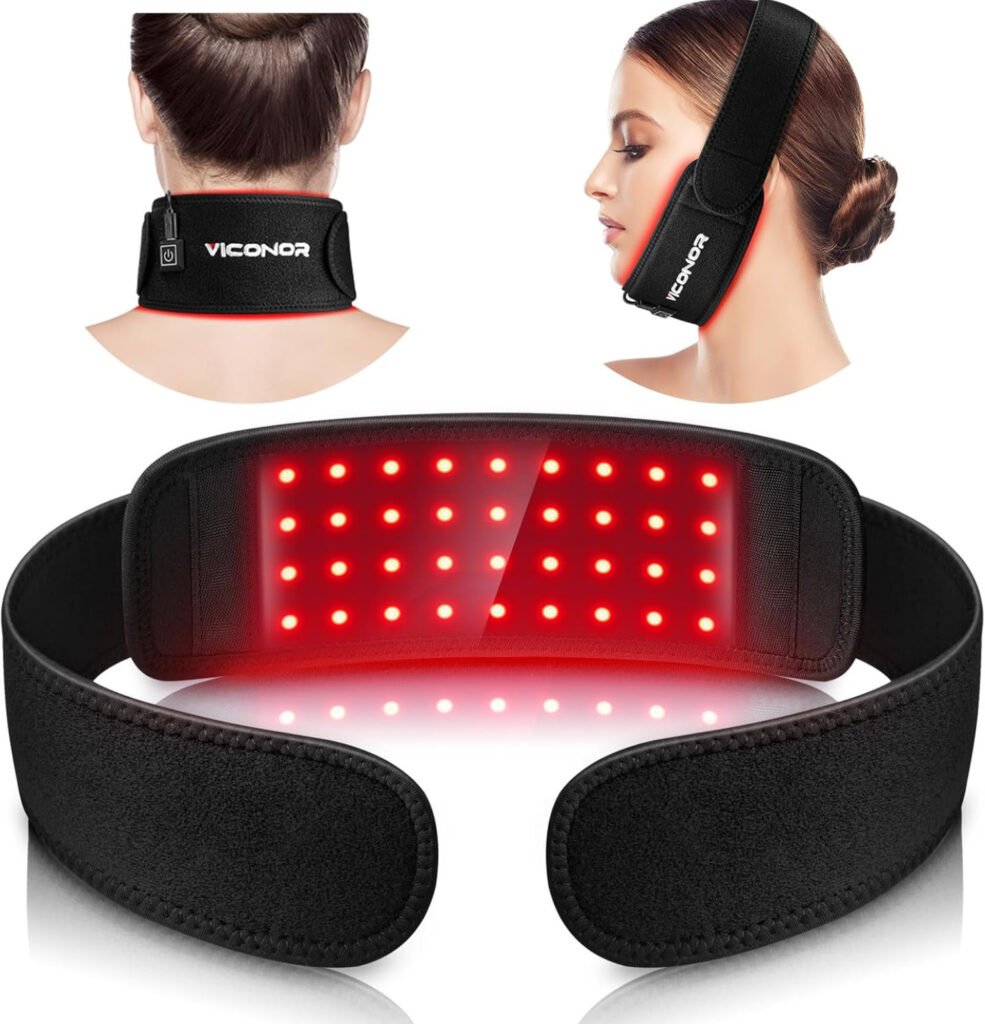
1. Indications for Infrared Light Therapy
Infrared light therapy has a wide array of clinical and non-clinical applications. The following are its most commonly studied and used indications:
A. Musculoskeletal and Joint Disorders
- Osteoarthritis and rheumatoid arthritis
- Chronic neck and back pain
- Tendinitis and bursitis
- Muscle spasms and strains
- Temporomandibular joint (TMJ) dysfunction
B. Neurological Conditions
- Peripheral neuropathy (e.g., diabetic neuropathy)
- Post-stroke rehabilitation
- Carpal tunnel syndrome
- Sciatica
C. Skin and Wound Healing
- Diabetic foot ulcers
- Pressure sores
- Burns and surgical wounds
- Acne and rosacea
D. Cosmetic and Anti-Aging
- Wrinkle reduction
- Skin rejuvenation
- Hair regrowth in androgenic alopecia
E. Other Indications
- Improving circulation
- Enhancing recovery in athletes
- Reducing inflammation in autoimmune conditions (experimental)
2. Mechanism of Action
Infrared light therapy primarily uses near-infrared (NIR) wavelengths, typically between 700 to 1100 nm, which penetrate the skin and deeper tissues.
Key Mechanisms Include:
A. Cellular Energy Production
- ILT stimulates cytochrome c oxidase in mitochondria, enhancing the electron transport chain.
- This results in increased production of adenosine triphosphate (ATP), the energy currency of the cell, facilitating cell repair and function.
B. Modulation of Reactive Oxygen Species (ROS)
- ILT induces a mild, transient increase in ROS, which acts as a signaling mechanism to activate protective genes and cellular repair pathways.
C. Anti-Inflammatory Effects
- Reduces pro-inflammatory cytokines such as IL-6 and TNF-α.
- Enhances anti-inflammatory cytokines like IL-10.
- Decreases prostaglandin E2 (PGE2) levels, reducing pain and swelling.
D. Enhanced Blood Flow
- Induces vasodilation through the release of nitric oxide (NO), improving oxygenation and nutrient delivery to tissues.
E. Neuroprotection and Nerve Repair
- Promotes axonal regeneration and remyelination in damaged nerves.
- Modulates neurotransmitter levels to reduce neuropathic pain.
3. Dosage and Treatment Schedule
Effective treatment with ILT depends on delivering the correct wavelength, power density, and energy dose.
A. Parameters
| Parameter | Typical Range |
|---|---|
| Wavelength | 800–1000 nm (NIR) |
| Power Density | 5–200 mW/cm² |
| Energy Dose | 1–10 J/cm² (acute); up to 60 J/cm² (chronic) |
| Session Duration | 5–30 minutes |
| Frequency | 2–5 sessions/week |
| Total Treatment Period | 2–12 weeks, depending on condition |
B. Dosage Considerations
- Lower doses are typically used for acute injuries and superficial tissues.
- Higher doses are needed for chronic conditions or deeper tissues such as joints and muscles.
C. Delivery Methods
- LED panels
- Handheld laser or LED devices
- Infrared lamps
- Full-body infrared beds (for systemic therapy)
4. Side Effects and Safety Profile
Infrared light therapy is generally safe when used appropriately. However, like all interventions, it may have side effects or contraindications.
Common Side Effects (Rare and Mild)
- Temporary redness or warmth at the treatment site
- Mild headache or dizziness (due to vasodilation)
- Eye discomfort (if not protected from NIR exposure)
Contraindications
- Over malignant or cancerous tumors
- Pregnant abdomen or lower back
- Patients with active hemorrhage or bleeding disorders
- Photosensitivity disorders (e.g., lupus)
- Use with caution in individuals on photosensitizing medications (e.g., tetracyclines, retinoids)
5. Scientific Evidence and Clinical Studies
The scientific backing for infrared light therapy varies depending on the indication.
A. Musculoskeletal Pain and Arthritis
- Cochrane Review (2009): Found that low-level laser therapy reduced pain in chronic joint disorders including arthritis.
- Chow et al. (2009, The Lancet): Demonstrated significant pain relief in neck pain with LLLT, including NIR wavelengths.
B. Wound Healing
- Hopkins et al. (2004): ILT accelerated wound closure and improved tensile strength in diabetic wounds.
- NASA-sponsored studies showed enhanced wound healing and cell proliferation in space and earth-based models.
C. Neuropathy
- Studies in diabetic neuropathy report decreased pain and improved nerve conduction velocities.
- Kozlov et al. (2010) found ILT improved sensory function in chemotherapy-induced neuropathy.
D. Cosmetic Applications
- Gold et al. (2009): Reported improvements in skin elasticity, collagen density, and wrinkle reduction.
- ILT also boosts hair follicle activity and has shown positive results in androgenic alopecia.
E. Limitations and Challenges
- Some studies are small-scale, lack blinding, or use different devices and parameters, making comparison difficult.
- The dose-response relationship (biphasic dose response) requires precise calibration to avoid ineffective or adverse outcomes.
Conclusion
Infrared light therapy is a promising, non-invasive modality with a broad range of applications in pain management, tissue repair, skin health, and neurology. Its mechanisms—centered on mitochondrial stimulation, anti-inflammatory effects, and tissue regeneration—are increasingly validated by scientific research.
While generally safe and well-tolerated, treatment protocols must be carefully individualized based on indication, tissue depth, and patient factors. Ongoing research and technological advancements will likely expand its therapeutic potential and clarify optimal usage parameters.